- Your cart is empty
- Continue Shopping

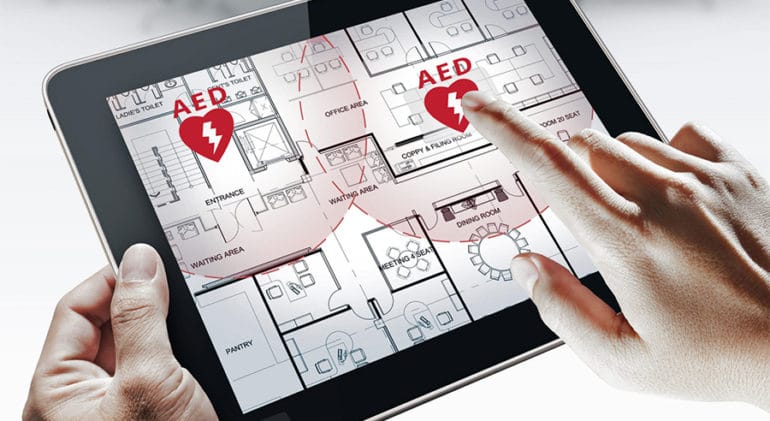
Installing an automated external defibrillator (AED) represents a critical investment in workplace safety, but the device’s effectiveness depends heavily on strategic placement. During a cardiac emergency, every second counts. Proper AED placement ensures responders can retrieve the device and begin defibrillation within the crucial three-to-five-minute window that dramatically improves survival rates.
The Three-Minute Rule
The fundamental principle guiding AED placement is accessibility within three minutes from anywhere in your facility. Cardiac arrest victims’ survival rates drop approximately 10% for every minute that passes without defibrillation. After ten minutes without intervention, survival becomes extremely unlikely.
This three-minute standard accounts for the time needed to recognize a cardiac emergency, locate the AED, retrieve it, return to the victim, and prepare the device for use. In practice, this means AEDs should be positioned so responders can reach them within 90 seconds of a collapse, allowing the remaining time for device setup and pad placement.
Calculate your facility’s AED needs by mapping the farthest points from potential AED locations. In single-story buildings, this typically means one AED covers approximately 60,000 to 80,000 square feet. Multi-story buildings require AEDs on each floor, as vertical travel significantly increases response time.
High-Traffic and High-Risk Areas
Certain locations within facilities experience higher cardiac arrest risk or greater potential impact from AED availability. Prioritize these areas when determining AED placement.
Main entrances and lobbies see constant foot traffic and provide natural gathering points during emergencies. An AED near your main entrance ensures visitors, delivery personnel, and employees entering the building have immediate access to life-saving equipment. These locations also facilitate AED access for incidents occurring on sidewalks or parking areas near your building.
Fitness facilities, gyms, and recreation areas require dedicated AEDs regardless of other devices in your building. Physical exertion increases cardiac event risk, and these areas often attract older adults who face elevated risk. Many athletic facilities install multiple AEDs to ensure coverage during high-occupancy times when all activity areas are in use simultaneously.
Cafeterias and break rooms concentrate employees during meals, and choking incidents can trigger cardiac events. These gathering spaces also provide locations where staff members are likely to be present who can respond to emergencies occurring elsewhere in the building.
Large meeting rooms, auditoriums, and conference centers need AED coverage proportional to their capacity. A room seating 200 people represents higher statistical risk than smaller spaces simply due to occupancy numbers. Events that attract older attendees increase this risk further.
Manufacturing floors, warehouses, and large open work areas present special challenges due to noise levels that may delay emergency recognition and distances that increase response time. These spaces typically require multiple strategically placed AEDs to ensure adequate coverage.
Accessibility and Visibility
An AED provides no benefit if responders cannot find it quickly during high-stress emergencies. Visibility and accessibility are equally important as strategic location selection.
Install AEDs in locations with high visibility from multiple directions. Hallway intersections, building lobbies, and areas near elevator banks provide visibility to people moving through your facility. Avoid placing AEDs in offices, locked rooms, or areas requiring security access that might delay retrieval.
AED cabinets with alarm systems alert nearby personnel when someone retrieves the device, bringing additional help to the emergency scene. While alarms add cost, they significantly improve emergency response by automatically notifying others that a cardiac emergency is occurring. Some advanced cabinets integrate with building security systems to alert emergency personnel automatically.
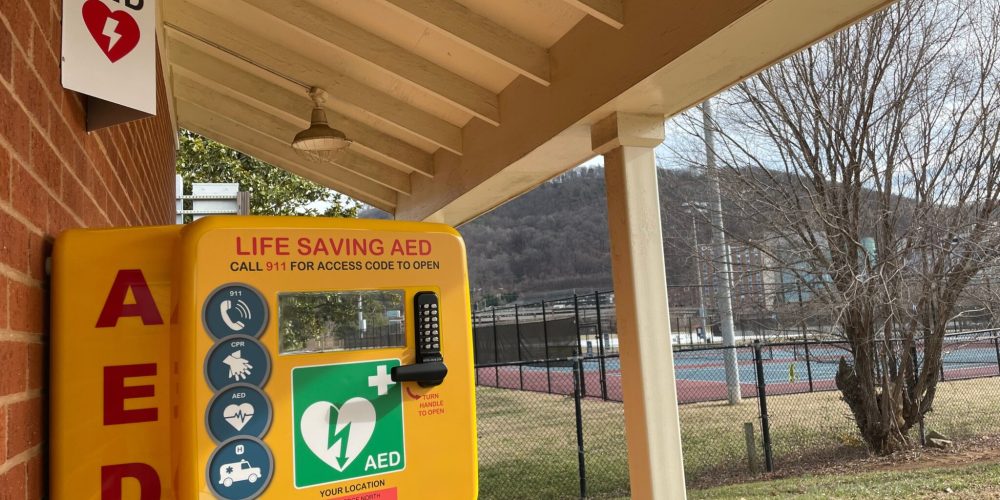
Clear signage directing people to AED locations is essential. International AED symbols with directional arrows should be visible from corridors and rooms surrounding AED installations. Consider floor decals, ceiling-hung signs, and wall-mounted directional indicators that remain visible even when hallways are crowded.
Mounting height affects accessibility. Install AEDs at 4 to 5 feet above floor level where they’re easily visible and accessible to most adults while remaining above flood risk in areas prone to water exposure. Ensure mounting allows single-handed removal, as responders may be supporting a victim or communicating on a phone while retrieving the device.
Special Considerations for Different Facilities
Different building types require customized AED placement strategies based on their unique characteristics and occupant risk profiles.
Office buildings typically install AEDs near elevator banks on each floor, ensuring every office is within the three-minute response radius. Buildings with multiple wings or towers may need additional devices at wing intersections or building connections.
Schools face unique challenges including large campus sizes, seasonal occupancy variations, and activities occurring at athletic fields distant from main buildings. Elementary schools need AEDs accessible to playground supervisors, while high schools require coverage for athletic facilities, auditoriums, and cafeterias in addition to classroom areas.
Retail environments need AEDs positioned for customer and employee access while considering theft prevention. Many retailers install devices near customer service desks or in employee break rooms where staff can maintain visual contact with the AED while working.
Healthcare facilities beyond hospitals, including medical offices, urgent care centers, and outpatient clinics, should place AEDs in waiting areas and near procedure rooms. While these facilities have trained medical staff, AEDs provide critical backup when emergency situations exceed available staff resources.
Industrial facilities with hazardous processes, high temperatures, or remote work areas require robust AED programs with devices positioned throughout the facility. Maintenance shops, loading docks, and warehouse receiving areas all need dedicated coverage.
Outdoor and Remote Locations
Don’t overlook exterior areas when planning AED placement. Parking lots, outdoor recreational areas, and building perimeters all represent locations where cardiac events occur but may be far from building AED locations.
Outdoor AED cabinets provide weatherproof protection while maintaining device readiness. These specialized enclosures include heating and cooling systems that maintain AEDs within manufacturers’ specified temperature ranges. Some include lighting for nighttime visibility and security features to prevent theft or vandalism.
Golf courses represent a special case requiring multiple AED locations due to the large areas involved and the demographic profile of typical golfers. Many courses install AEDs at clubhouses, maintenance facilities, and at remote course locations accessible via cart paths.
Construction sites present particular challenges due to changing layouts and temporary nature. Portable AED solutions stored in weather-resistant cases can relocate as work progresses, ensuring coverage moves with workers.
Maintenance and Monitoring
Proper placement means nothing if AEDs aren’t maintained and ready for use. Establish clear responsibility for regular AED checks, typically performed monthly, verifying device status indicators show readiness and confirming supplies including pads and batteries remain current.
Install tracking systems or inspection checklists near each AED location documenting checks and ensuring accountability. Many modern AEDs include connectivity features that automatically report device status to management systems, eliminating manual checking while providing immediate notification of any problems.
At AED Brands, we help organizations throughout their service areas develop comprehensive AED programs including optimal device placement, staff training, and ongoing maintenance support. Our experience across diverse facility types ensures your AED investment provides maximum protection for employees, customers, and visitors. Whether you’re installing your first AED or expanding an existing program, strategic placement ensures these life-saving devices are available when seconds matter most.
Share
AED Brands
Implementation Guide