

●
FDA-Approved • 20+ Years • Authorized Dealer
AED Batteries
Filters
27 products












Have a question?
Contact our customer support.
How long do AED batteries last?
How long do AED batteries last?
How do I know which AED battery I need?
How do I know which AED battery I need?
Do AED batteries expire if never used?
Do AED batteries expire if never used?
What is the difference between an install-by date and an expiration date?
What is the difference between an install-by date and an expiration date?
What happens if my AED battery dies?
What happens if my AED battery dies?
Can I use an aftermarket AED battery?
Can I use an aftermarket AED battery?
How do I dispose of an old AED battery?
How do I dispose of an old AED battery?
How often should I check my AED battery?
How often should I check my AED battery?


Every second counts
Why AEDs are saving lives
When sudden cardiac arrest strikes, survival drops about 10% with every minute that passes without defibrillation — yet EMS teams take 8 to 12 minutes on average to arrive. An AED on your wall bridges those critical minutes, turning coworkers, staff, or family members into lifesavers on the spot. Early defibrillation is the single biggest factor in surviving cardiac arrest, and it starts with having a device within reach.
No medical training needed
An AED anyone can use
Today's AEDs are built for everyday people, not medics. Clear voice prompts walk you through every step, the device analyzes the heart rhythm on its own, and it will only deliver a shock if one is truly needed — you can't make a mistake. All 50 states have Good Samaritan laws protecting lay rescuers. If you can follow spoken instructions, you can save a life.
Ready when it matters
Protection for your people, wherever they are
Cardiac arrest doesn't wait for a hospital — it happens at work, at school, at the gym, and at home. Installing an AED where your people live and work means help is seconds away, not minutes. And with a managed program, your device stays rescue-ready and compliant: pads and batteries tracked, state requirements covered. AED Brands has helped organizations stay prepared since 2004 — now part of Safe Life.


Subscription program
Stay Compliant.
Stay Ready.
Save Lives.
Take the guesswork out of AED ownership with an all-in-one monthly package that includes your AED, compliance support, device monitoring, supply tracking, medical direction, and more. Keep your organization rescue-ready without unexpected costs or complicated paperwork.
Explore Readiness PackagesDiscover our products
Categories
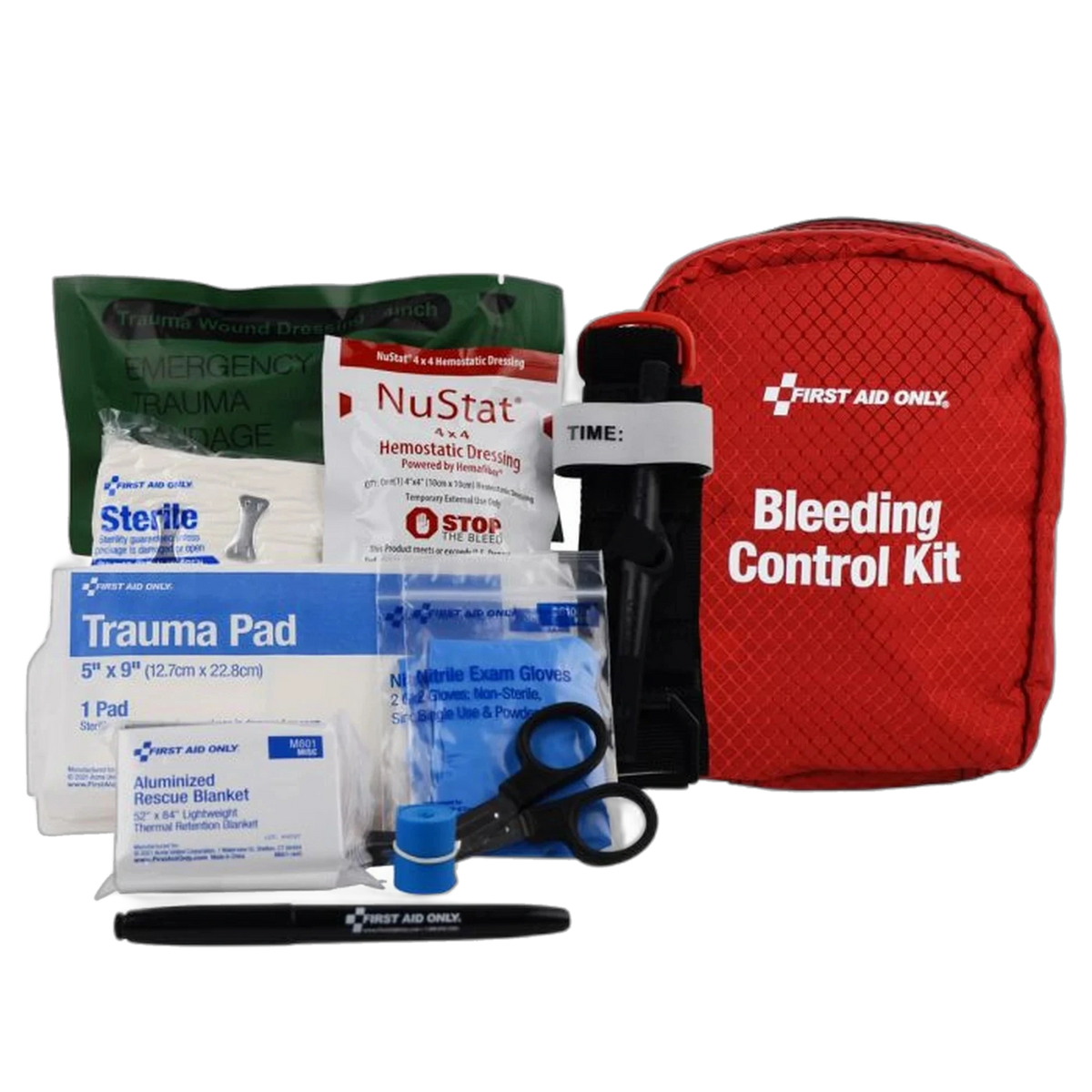
Explore our complete range of AEDs, replacement pads and batteries, rescue products, training equipment, and emergency preparedness solutions.








Unbeatable Prices, Unmatched Service
Interested in purchasing AEDs or in need of a purchase order? Look no further – we’re here to assist!
